

You must have an order with a minimum of $1,000.00 to place your order, your current order total is $0.00.
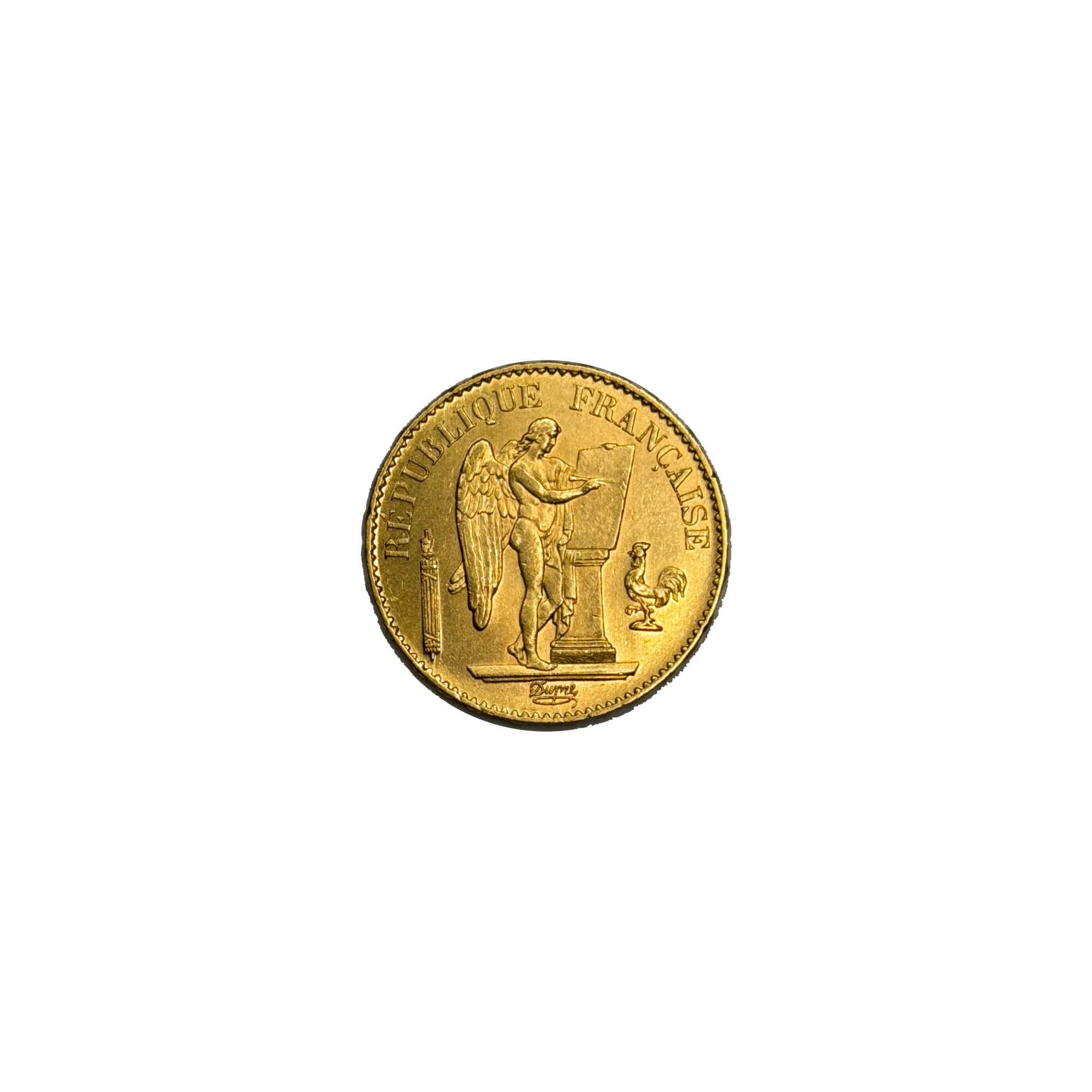
Every coin family has its famous face, and in French gold it is the Angel. Augustin Dupré’s winged Genius of France — pen in hand, inscribing the Constitution on a tablet — is a design whose origins reach back to the Revolution era, revived briefly by the Second Republic in 1848–1849 and then carried by the Third Republic from 1871 into the twentieth century. Around it has grown two centuries of legend: the tale that Dupré himself, sentenced to the guillotine, was clutching a gold Angel as he prayed and used it to negotiate his escape; the story that Napoleon carried one through his campaigns and misplaced it the day before Waterloo. The stories are lore rather than history — but lore is a market force, and the “Lucky Angel” has been one of the most widely held and eagerly sought historic gold coins in the world for generations.
For investors, the Angel pairs that singular demand story with thoroughly practical credentials. Classified instructively as “historical bullion,” it trades at per ounce acquisition costs comparable to modern bullion coins and tracks directly with the spot price of gold over time, while carrying the historic (pre-1933) designation and the associated insulation against the possibility of future government intervention. At roughly one-fifth of a troy ounce, it offers divisible negotiability: affording its owner the flexibility to liquidate positions incrementally, in amounts proportionate to the specific needs of the moment and across a variety of circumstances. And the coins offered here are Brilliant Uncirculated — a state of preservation the source record calls genuinely exceptional for a series that circulated as working money across half a century. For investors whose priorities are recognizability, liquidity, beauty of design, and a Brilliant Uncirculated state of preservation—all for near-bullion pricing—the French Angel has few rivals in the historic gold market.
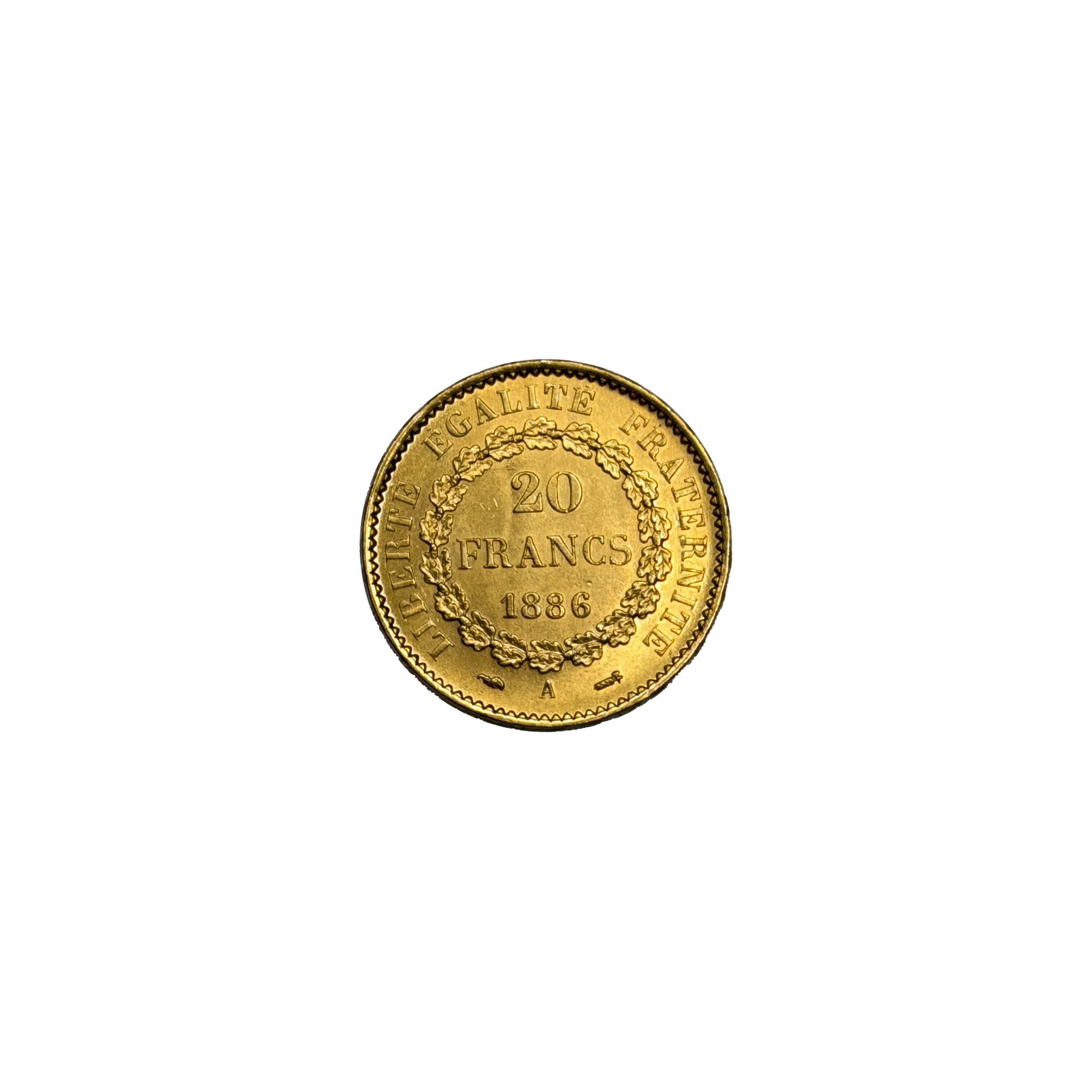
The obverse is Dupré’s composition in full: the winged Genius of France standing at a pedestal, caught in the act of writing the Constitution on a tablet, within the inscription RÉPUBLIQUE FRANÇAISE. A rooster — the Gallic symbol of vigilance — stands at the Genius’s side, and behind him rises the fasces, the bundled rods of magisterial authority carried over from Rome, topped by the Cap of Liberty that appears with the same meaning on early United States coinage. Dupré’s signature sits below the base. The reverse carries the denomination and date within a wreath of oak, encircled by the motto LIBERTÉ ÉGALITÉ FRATERNITÉ, with the mint mark below. Few coins of any nation compress a political philosophy into 21 millimeters this completely.
At 21mm in diameter and 6.45 grams total weight, each coin is struck from .900 fine gold and contains 0.1867 troy ounces of actual gold content — the Latin Monetary Union standard, adopted expressly to make the coin interchangeable with the 20 franc issues of Switzerland, Belgium, Italy, and the other member states. Grade range: BU/UNC. Minted 1848–1849 and, with interruptions, 1871–1898, after which the Marianne “Rooster” design replaced it.
The Angel characterizes the ideals of the French Revolution more directly than any other French coin. Its designer, Augustin Dupré, was among the great engravers of the Revolutionary generation, and every element of his composition is an argument: the Genius represents the Spirit of France itself, the act of writing the Constitution places law above rulers, the rooster keeps watch, and the Cap of Liberty crowns the whole. When the Second Republic needed a coinage in 1848, it reached back to Dupré’s design; when the Third Republic rose from the wreckage of the Franco-Prussian War in 1871, it did the same, and kept the Angel in production across 35 years of more or less continuous striking. The result is a coin that spans the entire arc of France’s republican century — and that, by total mintage of roughly 89 million pieces, became one of the most familiar gold coins in Europe.
No claim is made here for the Angel’s supernatural powers — but the record of people believing in them is real, documented, and remarkably durable. Beyond the Dupré and Napoleon legends, collectors have gathered thousands of stories of Angels credited with protection and good fortune, a body of folklore one numismatic writer called unmatched by any other coin. The investor-relevant point is narrow: the “Lucky Angel” tradition gives this coin a demand layer that exists independent of its gold content — gift buyers, talisman keepers, and collectors compete for the same fixed supply that investors draw on. Demand with more than one source is demand that tends to persist.
By total mintage the Angel is one of the more common European gold coins, and no absolute rarity claim belongs on this page. The condition story is different. Angels circulated hard — they were spent, carried, and, if the lore is any guide, rubbed for luck — and the series has been so widely held for so long that assembling quantity is difficult and locating coins in a high state of preservation harder still. Brilliant Uncirculated examples, showing Dupré’s full design as it left the dies — the feathering of the wings, the drapery at the pedestal, the fine detail of the rooster and fasces — represent the thin top layer of the surviving population. Condition-scarce supply within an abundantly demanded type is the reason the Brilliant Uncirculated Angel merits attention that the ordinary circulated example does not — the client holds the thin top layer of one of the most widely demanded series in European gold.
The Angel is among the most widely held and instantly recognized historic world gold coins — a design so famous that dealers on both sides of the Atlantic identify it at a glance. It shares the French 20 franc family’s universal specifications and trades within the same deep market as the Napoleons, at tight spreads, convertible to cash wherever gold trades. The design’s fame works for the seller: a coin everyone recognizes is a coin no buyer needs persuading to accept.
In 1933, FDR issued Executive Order 6102, requiring Americans to surrender their gold coin and bullion to the Treasury — but the order and the regulations that followed it exempted gold coins of recognized special value to collectors of rare and unusual coins. Subsequent clarifications by the Treasury identified pre-1933 gold coins — a classification that includes the French Angel 20 franc, struck between 1848 and 1898 — as falling within that collector classification as historical items.
Under current constitutional law, a government intervention in the gold market would be executed through the power of eminent domain — the government’s right to take private property for public use provided it pays the owner just compensation. Historic coins complicate the government’s ability to broadly establish “just compensation” or “fair value,” which was precisely the reasoning behind the original “recognized special value” exemption in 1933. That complexity, and the precedent surrounding pre-1933 gold coins, creates a notable impediment to the government’s ability to restrict them broadly — particularly compared to modern bullion, which can be valued easily and consistently at a single price. In essence, it is a bureaucratic question of whether the government would undertake the enormous task of valuing the diversity and complexity of the historic-coin genre — every coin, every date, every condition, every personal holding — and that difficulty is what insulates the owner’s legal liquidity rights in the event of capital controls.
Whether a future government intervention in private gold markets is a risk an investor assigns significant weight to is a personal judgment. The factual point is narrower: the pre-1933 status represents a layer of portfolio differentiation that this coin carries at minimal added per-ounce cost over comparable modern bullion, along with a measure of insulation for the legal liquidity rights of its owner.
For a more in-depth study, we invite you to read our comprehensive memorandum on this subject: Preparing for a Potential Gold Confiscation
The French 20 Franc Angel is the coin on which France wrote its ideals — Dupré’s Genius inscribing the Constitution, watched by the rooster of vigilance beneath the Cap of Liberty — and the coin around which two centuries of luck-and-legend demand have gathered. In Brilliant Uncirculated condition it adds the top layer of a condition-scarce supply to universal recognizability, deep liquidity, and divisible negotiability, all at per ounce acquisition costs comparable to modern bullion. No other gold coin can boast this particular combination of artistry, folklore, condition, and practicality for gold investors.
| Year | Mintage |
|---|---|
| 1848 | 1,543,000 |
| 1849 | 1,303,000 |
| 1871 | 2,508,000 |
| 1874 | 1,216,000 |
| 1875 | 11,746,000 |
| 1876 | 8,825,000 |
| 1877 | 12,759,000 |
| 1878 | 9,189,000 |
| 1879 | 1,038,000 |
| 1886 | 985,000 |
| 1887 | 1,231,000 |
| 1888 | 28,000 |
| 1889 | 873,000 |
| 1890 | 1,030,000 |
| 1891 | 871,000 |
| 1892 | 226,000 |
| 1893 | 2,517,000 |
| 1894 | 491,000 |
| 1895 | 5,293,000 |
| 1896 | 5,330,000 |
| 1897 | 11,069,000 |
| 1898 | 8,866,000 |
| Total | 88,937,000 |
UNC, BU
1848/49, 1871 – 1898
.1867 troy ounce
France
| Quantity | Wire | Card |
|---|---|---|
| 1–27 | $865.33 | $901.39 |
| 28–55 | $856.68 | $892.38 |
| 56+ | $848.02 | $883.36 |
Quantity tiers reflect the historic & fractional gold order discount (1% at $25,000+ · 2% at $50,000+ in qualifying coins). Any mix of qualifying historic coins counts toward the same order total.
Prices shown under Wire include a 4% cash discount. Card prices are the full list price. ACH bank transfer is available to established clients only. First-time orders can be paid by wire transfer or card.
Interested in gold but struggling to find the right firm?

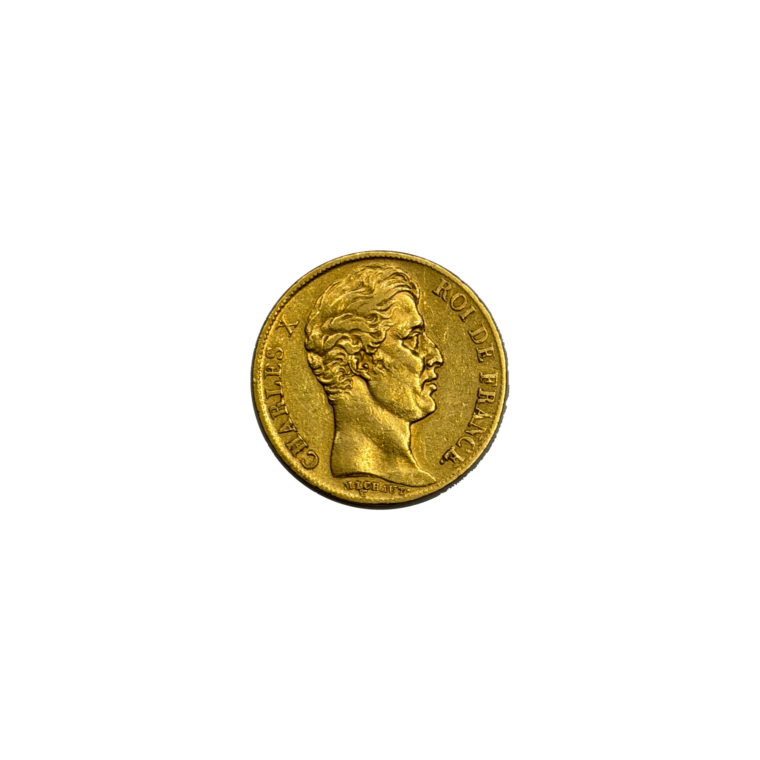
VF, XF
1825-1830
.1867 troy ounce
France
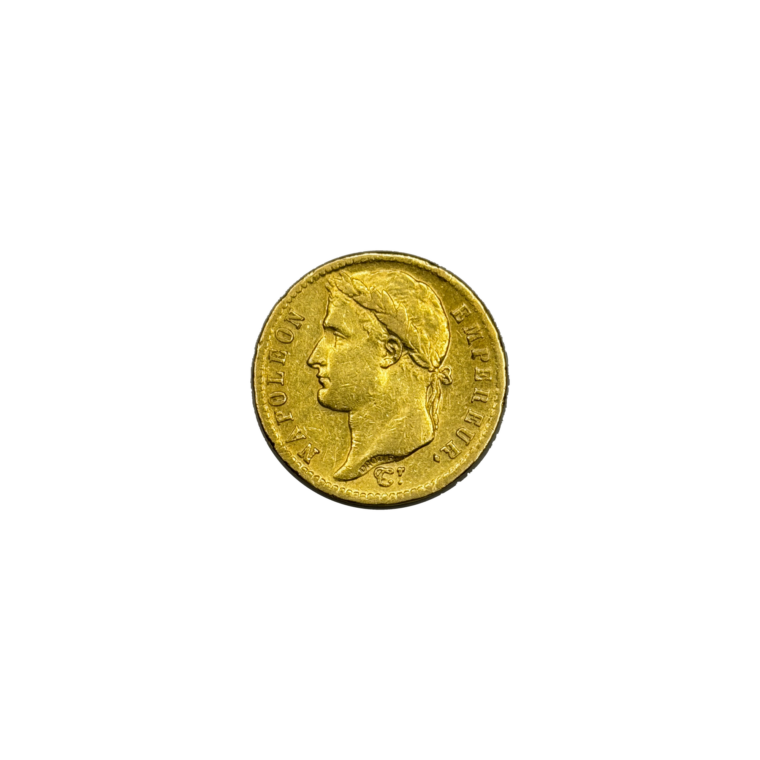
VF
1802-1815
.1867 troy ounce
France
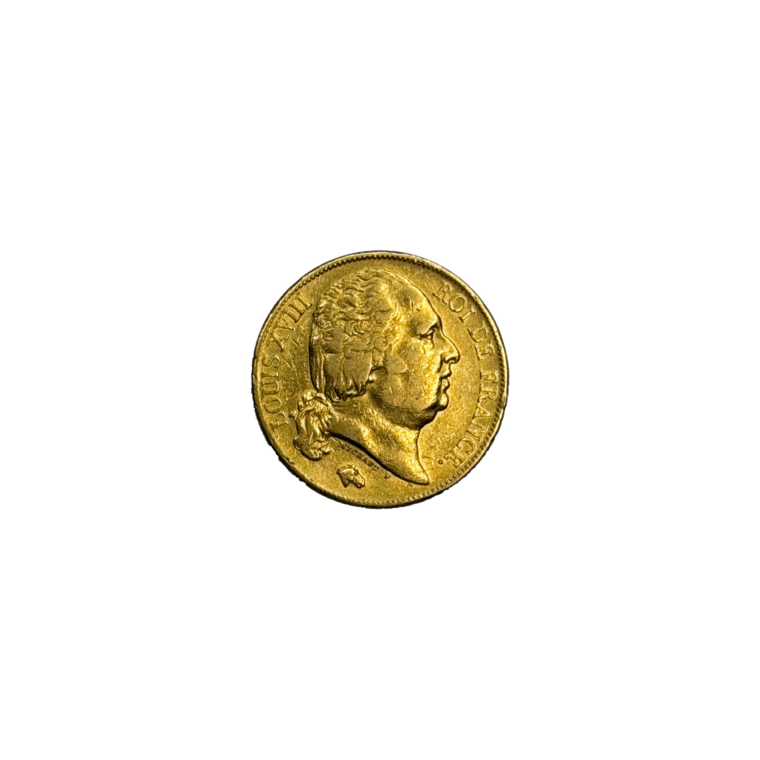
VF, XF
1814-1824
.1867 troy ounce
France
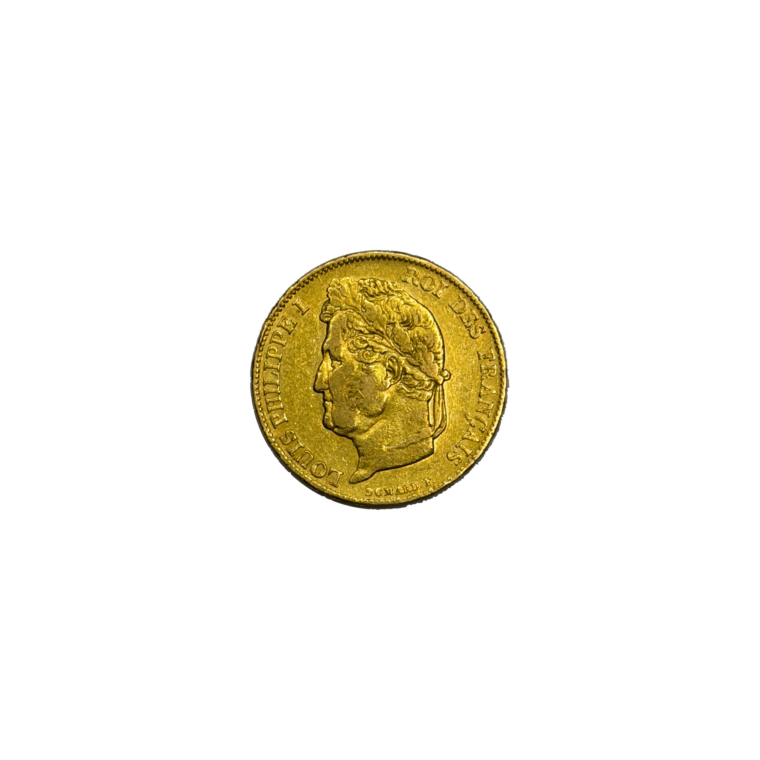
VF, XF
1830-1848
.1867 troy ounce
France
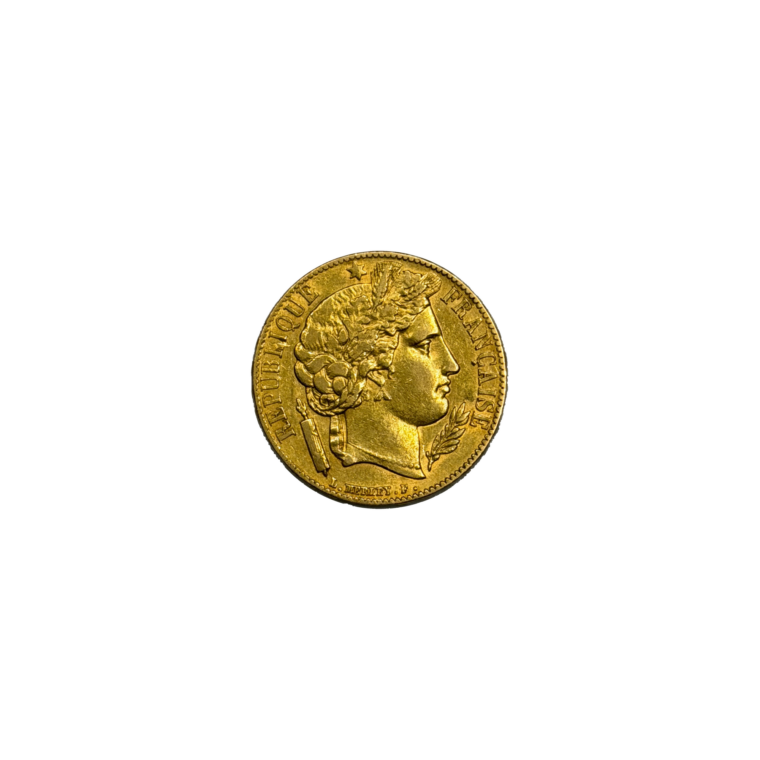
XF, AU
1849-1851
.1867 troy ounce
France
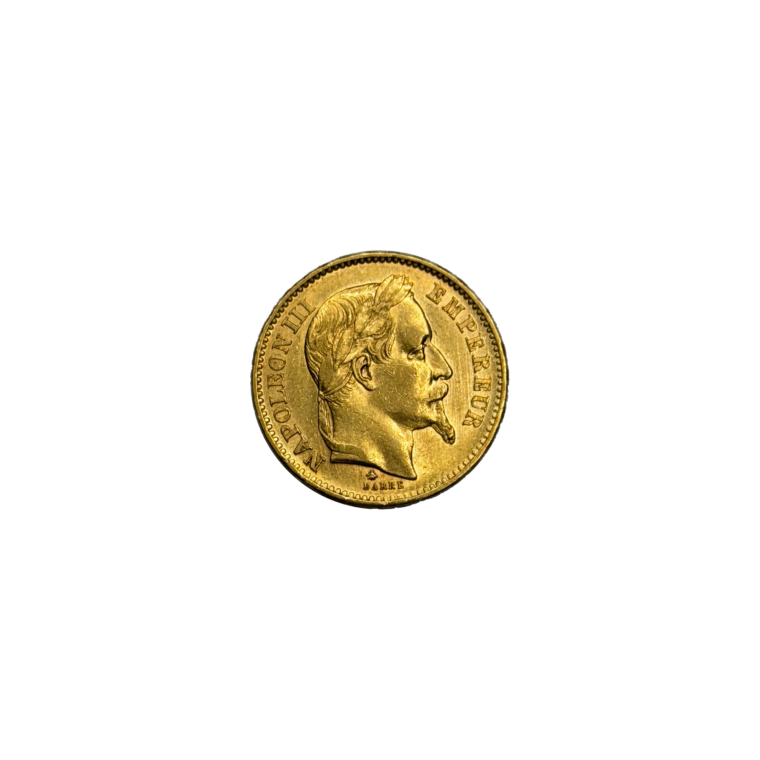
AU, UNC
1853-1870
.1867 troy ounce
France
VF, XF
1814-1815
.1867 troy ounce
France


